How Often Should You Have an Eye Test?
A doctor explains how often adults need an eye test, why intervals differ by country and health condition, and which symptoms mean going sooner or urgently.

The short version
- Every two years is the usual interval for a healthy adult, moving to yearly from around 60, and yearly or more often if you have diabetes, glaucoma or a family history of it.
- An eye test is not only about glasses. It detects glaucoma, diabetic retinopathy, macular degeneration and occasionally signs of high blood pressure or raised intracranial pressure.
- Sudden visual change, flashes, a curtain across vision or a painful red eye are urgent, whatever your last test showed.
See a doctor promptly if
These are the signs that change this from something to read about into something to act on.
- Sudden loss of vision in one or both eyes, or a dark curtain moving across the field of vision
- New flashes of light or a sudden shower of floaters
- A painful red eye with blurred vision, halos around lights, nausea or vomiting
- Sudden double vision, or a drooping eyelid with a differently sized pupil
For a healthy adult with no symptoms, every two years is the usual answer, moving to yearly from around 60 to 70. If you have diabetes, glaucoma, a close relative with glaucoma, or you are of African or Caribbean descent, the interval shortens to yearly or whatever your clinician sets.
The reason it is not simply about glasses is that the most important things an eye test finds cause no symptoms at all until late.
What a proper eye test is actually looking for#
A sight test measures your refraction: whether you need glasses and what strength. Alongside that, the examiner checks eye pressure, looks at the optic nerve and retina, and assesses visual fields where indicated.
That second part is the screening. Glaucoma erodes peripheral vision so slowly that the brain fills in the gap, and people commonly lose a great deal before noticing anything. Diabetic retinopathy and early macular degeneration are equally quiet. All three are far more treatable early, and none of them announce themselves.
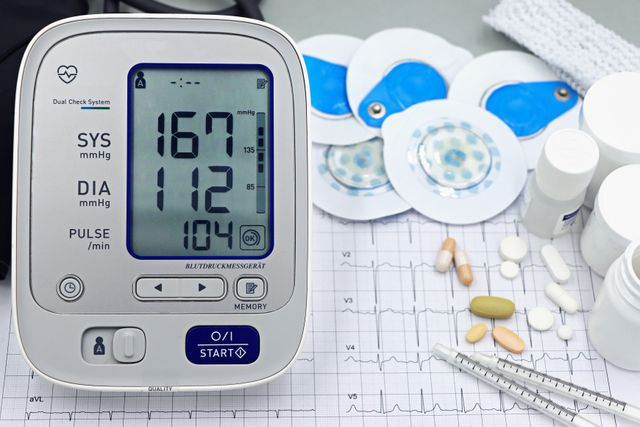
Occasionally an examiner sees something systemic. The retinal changes of very high blood pressure, or swelling of the optic disc suggesting raised pressure inside the skull. Those findings send people to a doctor the same day.
Where practice differs by country#
The UK funds free NHS sight tests for children, over-60s, people with diabetes or glaucoma, close relatives of glaucoma patients over 40, and those on certain benefits, generally on a two-yearly cycle. Most of the EU works through ophthalmologists or optometrists with varying reimbursement. The US has no single schedule; a baseline examination around 40 is widely advised, and access is largely insurance-dependent. Across the Gulf and South Asia, testing is mostly private or delivered through employer and school programs.
Diabetic retinal screening, by contrast, is close to universal in principle, WHO and every major diabetes body recommend at least annual retinal examination, even where the delivery differs.
When to go sooner#
Any change in vision that you notice. Frequent headaches, particularly with reading or screen work. Eye strain that does not settle with breaks. Double vision. Difficulty with night driving or with glare. A child squinting, sitting close to the screen, or struggling at school.
At work#
Display screen equipment regulations in the UK and much of the EU entitle regular screen users to a funded eye test and, if glasses are needed specifically for screen distance, a contribution towards them. A great many employees never claim this. Separately, anyone doing safety-critical work, driving, machinery, working at height, has vision standards to meet, and those checks are not a substitute for a full eye examination.
Eye strain from screens is real but does not damage the eyes; it responds to breaks, blink awareness, screen distance and lighting rather than to a stronger prescription.
Where this fits#
Eye testing belongs to the same quiet category as blood pressure checks and screening tests: routine, unexciting, and occasionally the thing that prevents permanent damage. The fuller guide to health checkups by age sets out which checks earn their place in each decade.
Common questions
How often should adults have an eye test?
Do I need an eye test if my vision seems fine?
Is diabetic eye screening the same as a normal eye test?
Sources
Still not sure what this means for you?
Bring your reports to a call with one of our doctors. Leave with a written summary and the right questions for your own doctor.