Tests & Medicines
Your blood report in plain English. What the numbers mean, which ones matter, and how common medicines actually work.
No more staring at a lab printout wondering which arrows are the bad ones.
The in-depth guides
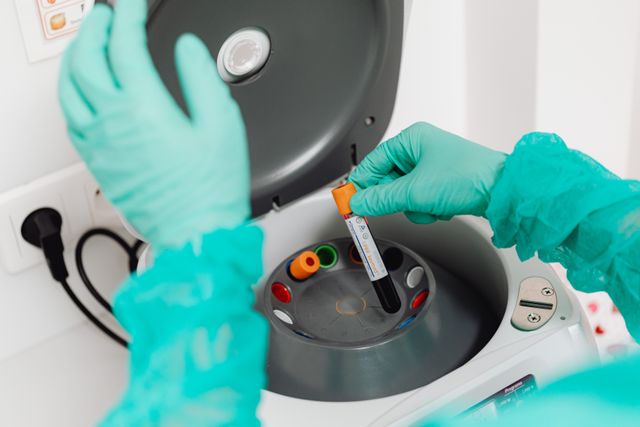
Antibiotics: When They Help and When They Harm
A doctor explains what antibiotics can and cannot treat, the real harms of taking them unnecessarily, and how resistance is driven by over-the-counter use.
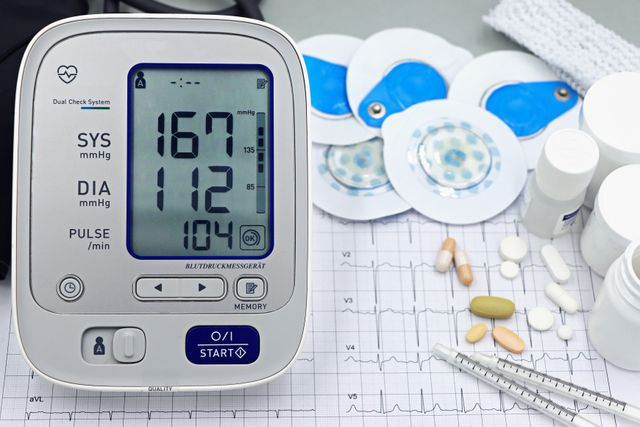
Understanding Your Blood Test Results
A doctor explains what each line on a blood test report measures, what the numbers mean in both mg/dL and mmol/L, and why one odd result rarely matters.
Quick answers
Short, specific answers to the questions people actually type. Each one links back to the full guide.
Acetaminophen or Ibuprofen: Which One, and When?A doctor compares acetaminophen and ibuprofen: which works better for which kind of pain, who should avoid anti-inflammatories, and the mixing mistake to avoid.Do I Really Need to Fast Before a Blood Test?A doctor explains which blood tests genuinely need fasting, which do not, how long counts as fasting, and whether you can still drink water or coffee.Do You Really Have to Finish the Course of Antibiotics?A doctor explains the modern answer on finishing antibiotics, why courses are getting shorter, and why stopping on your own is still the wrong move.How to Read an Ultrasound ReportA doctor explains the standard vocabulary of an ultrasound report, what echogenicity and cysts actually mean, and which findings need follow-up.How to Read the Words on a Chest X-Ray ReportA doctor translates the standard phrases on a chest X-ray report, from opacity and infiltrate to costophrenic angle, and explains which words matter most.Liver Enzymes: What ALT and AST Actually Tell YouA doctor explains what raised ALT and AST mean on a liver blood test, the common causes of mild elevations, and which results need prompt follow-up.Understanding a Urine Test ReportA doctor explains what each line on a urine test report means, from protein and blood to nitrites and casts, and which findings actually need following up.What an ECG Shows, and What It Does NotA doctor explains what an ECG actually measures, what the common phrases on the report mean, and why a normal ECG does not rule out heart disease.What Does a High Bilirubin Mean?A doctor explains what raised bilirubin means on a liver report, why Gilbert's syndrome is the commonest harmless cause, and when yellow eyes need urgent care.What Does a High Calcium Mean?A doctor explains what a high blood calcium means, why the parathyroid gland is the usual cause, and which combination of results needs urgent attention.What Does a High CRP Mean?A doctor explains what C-reactive protein measures, what different CRP levels suggest, and why a raised CRP is a signpost rather than a diagnosis.What Does a High ESR Mean?A doctor explains what the ESR test measures, why age and anemia raise it, how it differs from CRP, and which high results actually need investigating.What Does a High Ferritin Mean?A doctor explains what a raised ferritin actually measures, why inflammation and alcohol raise it more often than iron overload, and what is checked next.What Does a High LDL Mean?A doctor explains what a high LDL cholesterol means, why the target depends on your overall risk rather than one number, and what genuinely lowers it.What Does a High Potassium Mean?A doctor explains what a high potassium result means, why a sample problem is the commonest cause of a false high, and when the level becomes an emergency.What Does a High Prolactin Mean?A doctor explains what a high prolactin means, why stress and medicines raise it more often than a pituitary tumor, and what the next tests usually are.What Does a High PSA Mean?A doctor explains what a raised PSA means, the many benign reasons it climbs, why most men with a high PSA do not have cancer, and what happens next.What Does a High TSH Mean?A doctor explains what a high TSH result means, why it signals an underactive thyroid, and when a mildly raised level needs treating or just rechecking.What Does a High Uric Acid Mean?A doctor explains what raised uric acid means, why most people with a high level never get gout, and which results need attention rather than reassurance.What Does a High White Blood Cell Count Mean?A doctor explains what a raised white cell count means on a blood report, which cell type matters most, and when a high count needs prompt attention.What Does a Low HDL Mean?A doctor explains what a low HDL cholesterol means, why raising it artificially has not reduced heart attacks, and what a low HDL is really telling you.What Does a Low MCV Mean on a Blood Count?A doctor explains what a low MCV means on a full blood count, why iron deficiency and thalassaemia are the main causes, and which tests come next.What Does a Low Platelet Count Mean?A doctor explains what a low platelet count means on a blood report, the common and harmless causes, and the level at which bleeding risk genuinely rises.What Does a Low Sodium Mean?A doctor explains what a low blood sodium means, why it is usually a water problem rather than a salt problem, and which levels need urgent attention.What Does a Low Testosterone Result Mean?A doctor explains what a low testosterone result means, why timing of the blood sample matters so much, and which findings need proper investigation.What Is eGFR, and What Does a Low Result Mean?A doctor explains what eGFR measures, what the chronic kidney disease stages mean, and why one low result is not the same as kidney disease.What Is HbA1c, and What Counts as Normal?A doctor explains what HbA1c measures, the numbers that define normal, prediabetes and diabetes, and the situations where the test can mislead.What Is Microalbuminuria, and Why Does It Matter?A doctor explains what microalbuminuria means, why it is an early warning from the kidneys and blood vessels, and what can be done once it is found.Why Does My Doctor Want to Repeat the Blood Test?A doctor explains why a repeat blood test is usually reassuring rather than alarming, what biological variation means, and when a recheck should not be delayed.Why Two Labs Give You Different "Normal" RangesA doctor explains why reference ranges vary between laboratories, how they are actually calculated, and why one in twenty normal people gets flagged.
Still not sure what this means for you?
Bring your reports to a call with one of our doctors. Leave with a written summary and the right questions for your own doctor.
Book a Clarity Session$149 · 20 minutes · written summary included