Do Probiotics Actually Work? What the Evidence Says
A doctor sorts probiotic fact from marketing: where the pills help, where food beats them, and when the money is better spent on fiber.
Check your own numbers below. Takes a minute

The short version
- Probiotics have real but narrow evidence: certain strains help during antibiotics and modestly in IBS. For general health in healthy people, trials keep coming up empty.
- The gut bacteria you already own are fed, not replaced. Fiber moves the microbiome more than any capsule, at a fraction of the price.
- Fermented foods like yogurt and kefir deliver live cultures plus actual nutrition, which is why doctors point there first.
See a doctor promptly if
These are the signs that change this from something to read about into something to act on.
- Seriously weakened immunity, recent gut surgery, or a central IV line: probiotic supplements need a doctor's ok first, as rare bloodstream infections have occurred
- Blood in stool, weight loss, fever, or symptoms starting after 50 are never a probiotic project: those need a doctor
- Any product claiming to cure anxiety, obesity or immunity through the gut has left the evidence behind
The probiotic aisle runs on a simple story: your gut is broken and a capsule of good bacteria will fix it. The science tells a smaller, more useful story. Here is where probiotics earn their price, where they do not, and what moves gut health more for less money.
Where the evidence is real#
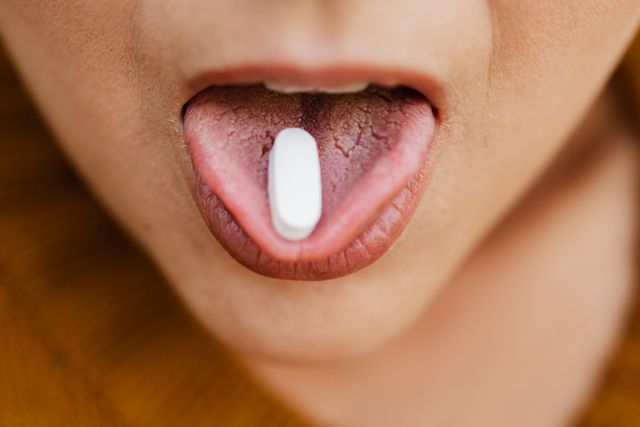
Two uses stand on solid trial ground. First, during antibiotics: reviews covering thousands of patients show certain strains cut the risk of antibiotic-associated diarrhea roughly in half. Second, IBS: some strains modestly reduce bloating and discomfort for some people, enough that gastroenterology guidelines call a supervised one-month trial reasonable. If it has not helped by then, it will not.
That is close to the full list. For colds, mood, weight, skin and general wellness, the trials are small, mixed, and mostly disappointing.
Why the pills underdeliver#
Your gut already hosts trillions of organisms in hundreds of species, an ecosystem built over a lifetime. A capsule adds a few billion tourists from one or two species; most pass through in days without settling. The residents are not replaced, and they were never the problem. What shapes the ecosystem is what you feed it, which is why the fiber section of the grocery store outperforms the supplement aisle.
Food carries the pattern#
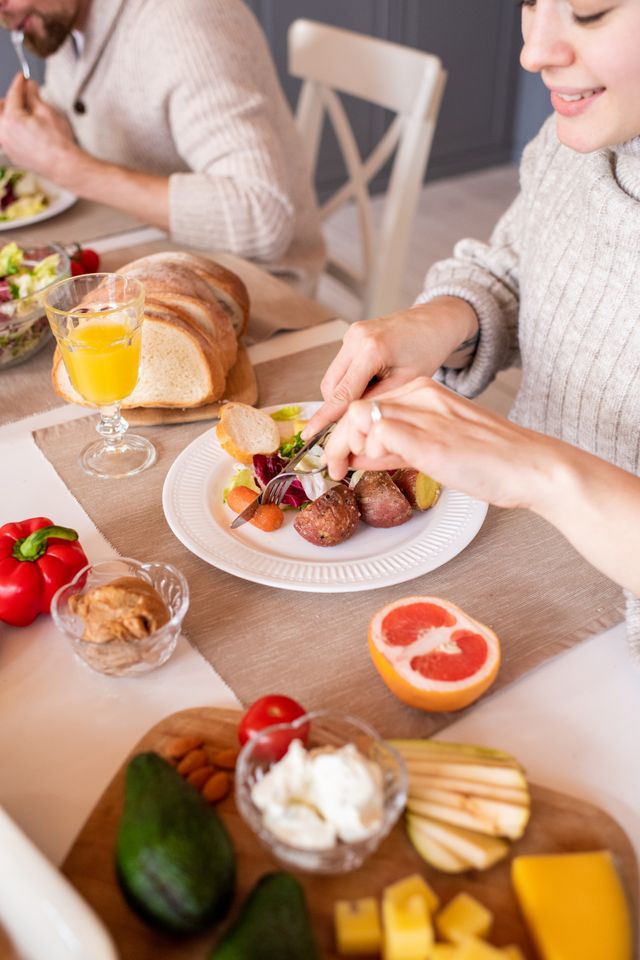
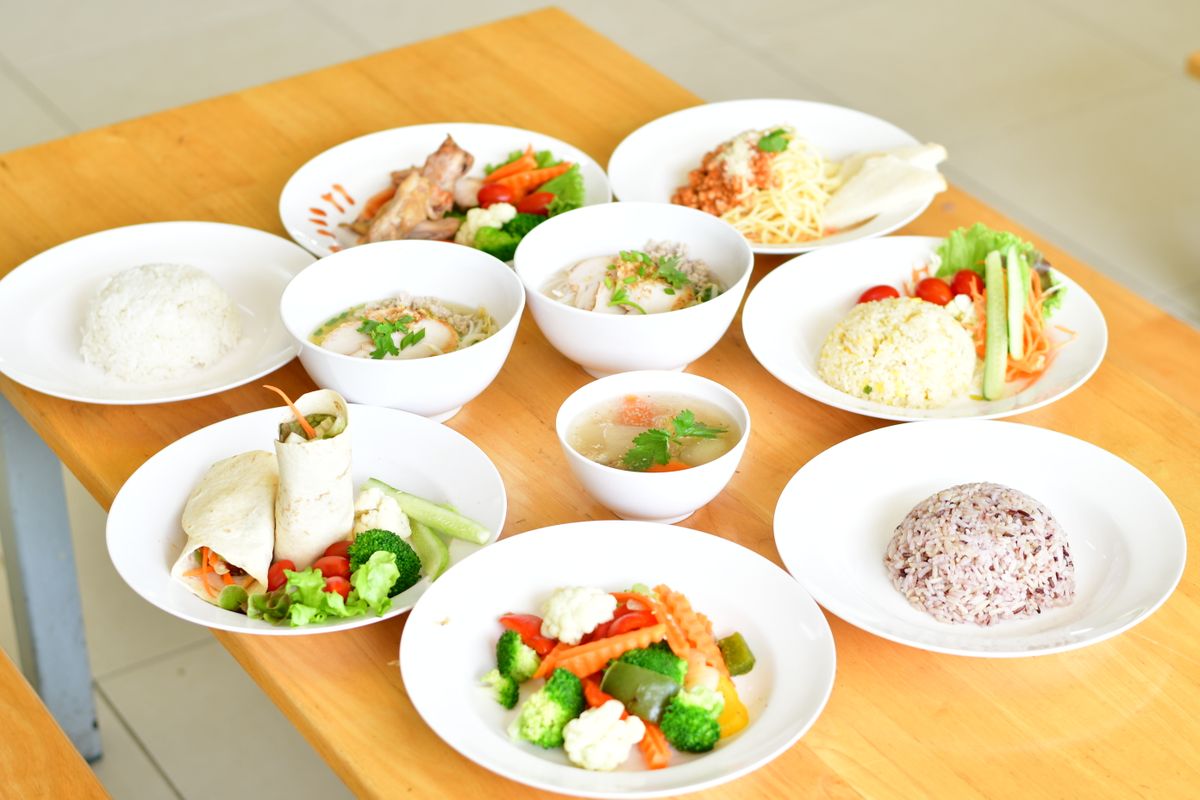
A Stanford trial in 2021 put fermented foods head to head against high fiber and found the fermented-food group gained microbiome diversity and lost inflammation markers over ten weeks. Plain yogurt with live cultures, kefir, sauerkraut and kimchi deliver live organisms plus protein and nutrients, at a fraction of a capsule's cost. Pair them with real fiber and less ultra-processed food, and the ecosystem does the rest.
When the gut needs a doctor, not a supplement#
Persistent change in bowel habit, blood in the stool, fever, weight loss without trying, or new gut symptoms after 50: these are never a probiotic project. Our symptom diary turns a vague gut complaint into a printed pattern a doctor can use, and if you want an expert to look at your situation in writing, ask a doctor and a gastroenterology-minded answer comes back within a day.
Should this go to a doctor?
Three honest answers, a plain answer back.
Unglamorous and well proven
Daily psyllium helps constipation, modestly lowers cholesterol, and steadies blood sugar after meals. Start small and drink water with it.
See psyllium fiberBuying through this link supports the free library with a small commission. It never changes a pick.
Common questions
Do probiotics actually do anything?
Should I take a probiotic with antibiotics?
What is better, probiotic foods or supplements?
What actually improves gut health then?
Are probiotics safe?
People also ask
Sources
Still not sure what this means for you?
Bring your reports to a call with one of our doctors. Leave with a written summary and the right questions for your own doctor.